

The Yale Forum on Religion and Ecology is grateful for the collaboration and affirmative support of Yale faculty from across the university.
Areas of Yale University
| Yale Divinity School | Yale School of the Environment |
| Yale Center for Environmental Justice | Yale Law School |
Yale Divinity School
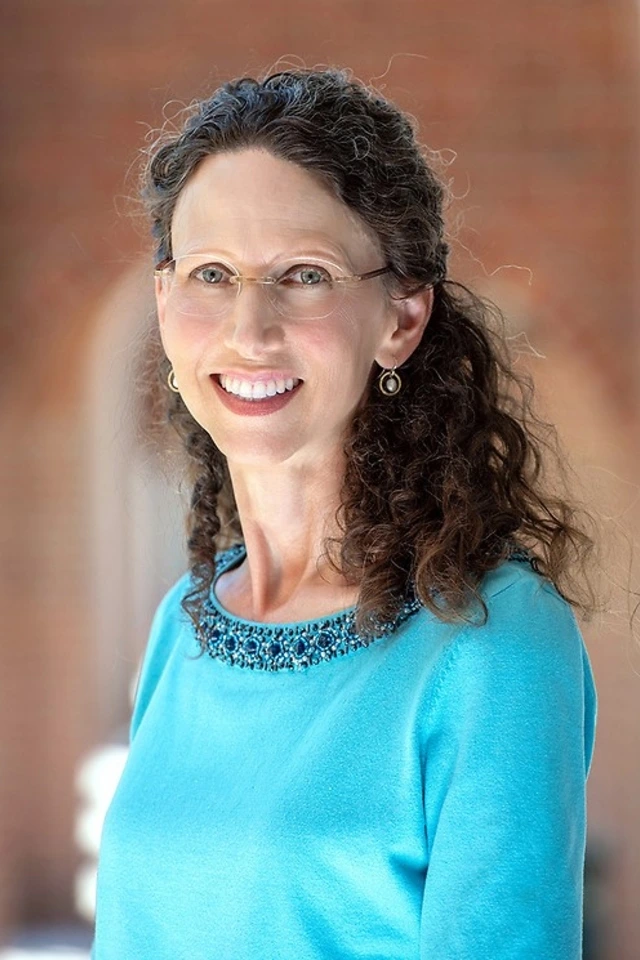 Jennifer A. Herdt is the Gilbert L. Stark Professor of Christian Ethics at Yale University’s Divinity School. She is the author, most recently, of Assuming Responsibility: Ecstatic Eudaimonism and the Call to Live Well. Her 2019 book, Forming Humanity: Redeeming the German Bildung Tradition, was supported by a research fellowship from the Alexander von Humboldt Foundation. She is also the author of Putting On Virtue: The Legacy of the Splendid Vices (selected as a Choice Outstanding Academic Title), and of Religion and Faction in Hume’s Moral Philosophy, and has published widely on virtue ethics, early modern and modern moral thought, and political theology. She serves on the editorial boards of the Journal of Christian Ethics, Studies in Christian Ethics, and the Journal of Religion, and served as the 2020 President of the Society of Christian Ethics. Her forthcoming book, The Great Wheel of Being: Ethics Beyond the Human (Yale UP, 2026) flows from a $3.9M, 3-year collaborative grant from the Templeton Foundation supporting projects in science-informed theological anthropology (2020–2023). From 2013-2021, she served as the academic dean of Yale Divinity School, and is now Senior Associate Dean for Faculty Affairs.
Learn more: Jennifer A. Herdt faculty page
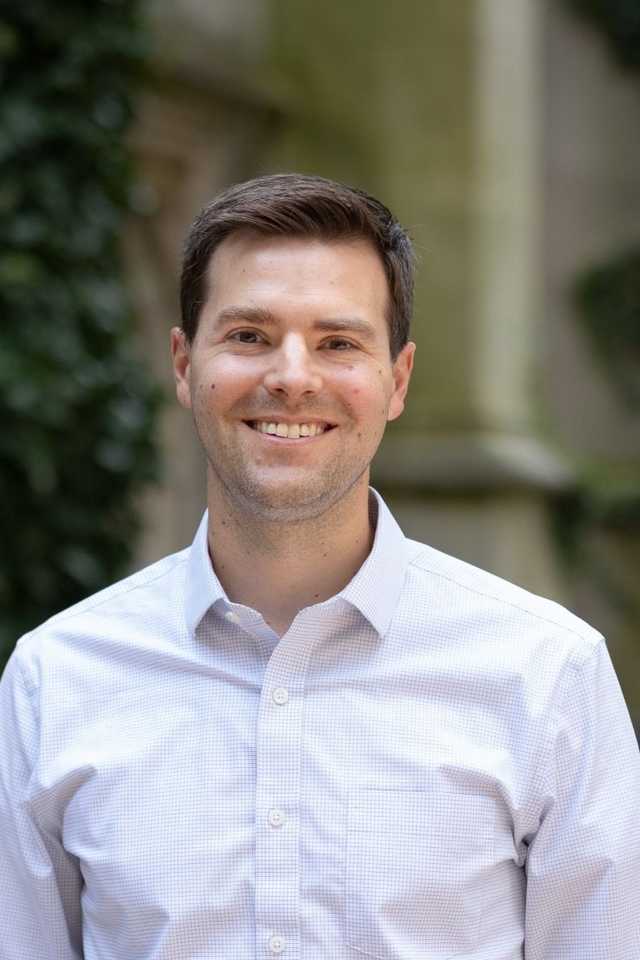 Ryan Darr is Assistant Professor of Religion, Ethics, and Environment. His research interests include environmental ethics, multispecies justice, structural injustice, ethical theory, and the history of religious and philosophical ethics. He is currently writing a book that defends an account of environmental and multispecies justice as a framework for thinking ethically about the crisis of biodiversity loss and mass extinction. He is also developing an ongoing research project exploring the relationship between individual agency and responsibility and structural justice and injustice with a particular focus on environmental and climate issues. His first book, The Best Effect: Theology and the Origins of Consequentialism, was published by the University of Chicago Press in 2023. The book offers a new, robustly theological story of the origin of consequentialism, one of the most influential views in modern moral theory. It uses the new historical account to intervene in contemporary ethical debates about consequentialism and about how ethicists conceive of goods, ends, agency, and causality. Prior to joining the YDS faculty, Ryan held postdoctoral fellowships at the Princeton University Center for Human Values (2019-22) and the Yale Institute of Sacred Music (2022-24).
learn more: Ryan Darr faculty page
Yale School of the Environment
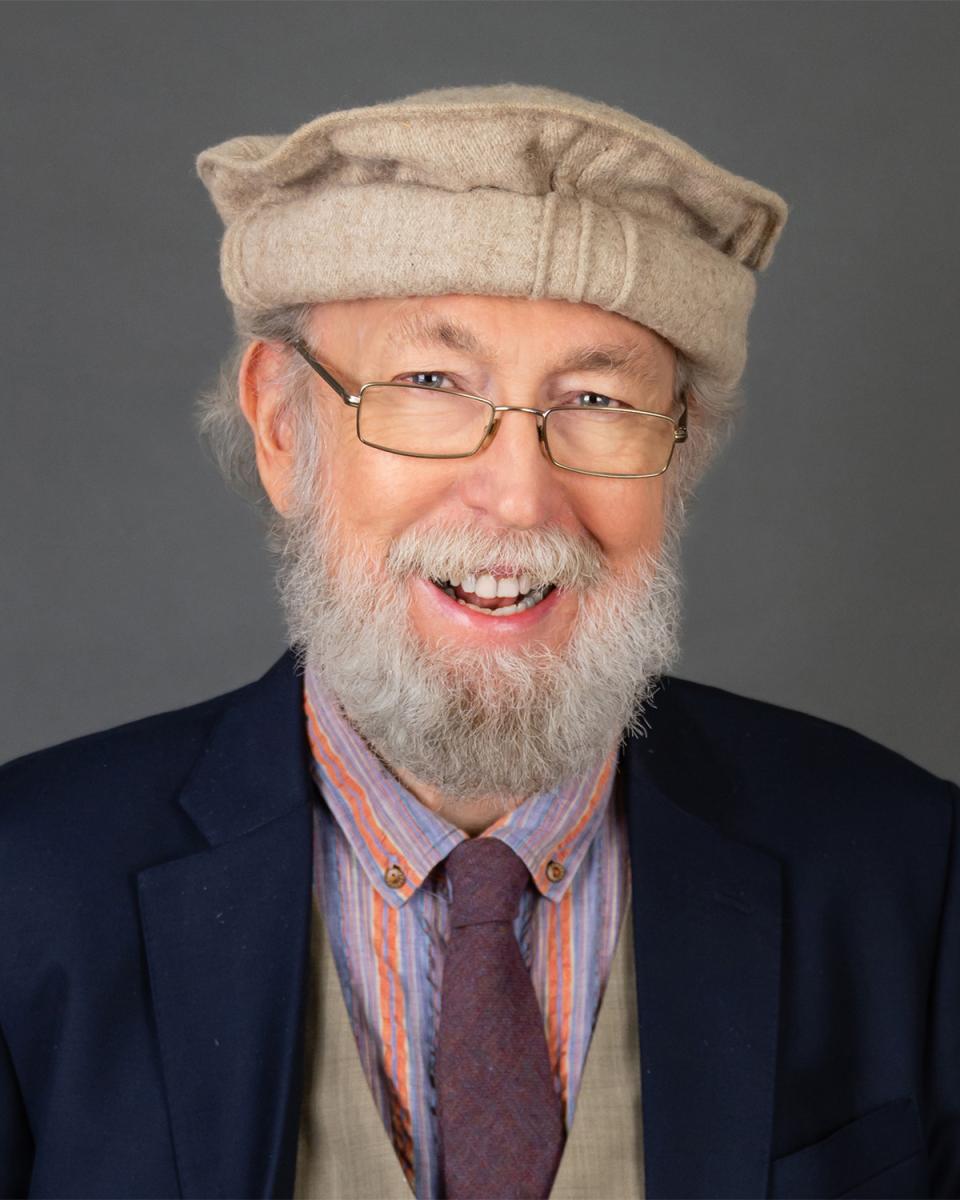 Michael R. Dove is the Margaret K. Musser Professor of Social Ecology, Professor of Anthropology, Curator of Anthropology in the Peabody Museum of Natural History, Co-Coordinator of the joint doctoral degree program between Yale Schol of the Environment and the Department of Anthropology, and member of the founding Steering Committee of Yale’s new Climate and Energy Institute. His research focuses on the environmental relations of local communities, especially in South and Southeast Asia. Over the past 36 years, he has spent more than a dozen years in the field in Asia, carrying out long-term research on human ecology in Borneo and Java, developing government research capacity in Indonesia, and advising the Pakistan Forest Service on social forestry policies. His most recent books are Conserving Nature in Culture: Case Studies from Southeast Asia (co-edited with P. Sajise and A. Doolittle, Yale Southeast Asia Program, 2005), Environmental Anthropology: A Historical Reader (coedited with C. Carpenter, Blackwell, 2007), Southeast Asian Grasslands: Understanding a Folk Landscape (editor, New York Botanical Gardens Press 2008), The Banana Tree at the Gate: The History of Marginal Peoples and Global Markets in Borneo (Yale University Press, 2011), and Complicating Conservation: Beyond the Sacred Forest (coedited with P.E. Sajise and A. Doolittle, Duke University Press, 2011). He is currently working on a book on the history of the anthropological study of climate change and another book (co-authored with D. Kammen) on The Anthropology and Physics of Conservation and Development. Research and teaching interests include the anthropology of climate change and the cultural and political aspects of natural hazards and disasters; political dimensions of resource degradation; indigenous environmental knowledge; contemporary and historical environmental relations in South and Southeast Asia; the study of developmental and environmental institutions, discourses, and movements; and the sociology of resource-related sciences. Professor Dove sits on the advisory boards of Yale’s Agrarian Studies Program, Council on South Asian Studies, Council on Southeast Asian Studies, and the International Affairs Council.
Learn more: Michael a. Dove Faculty page
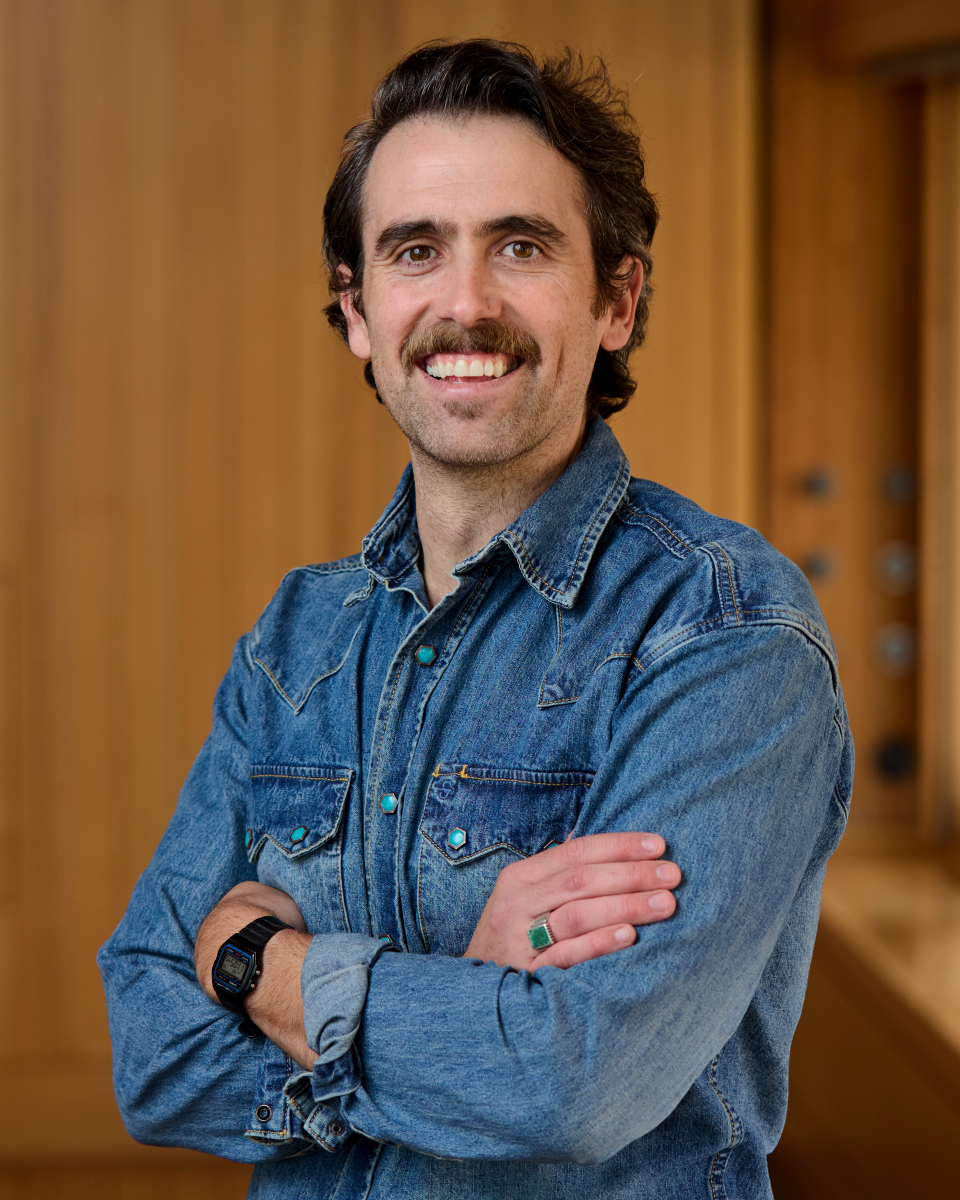 Justin Farrell is Professor of Sociology at Yale School of the Environment. He studies people, in groups, focusing mostly on culture and environment. In 2023, Pope Francis appointed him to the Pontifical Academy of Social Sciences. He blends qualitative, historical, and computational methods. His books include The Battle for Yellowstone: Morality and the Sacred Roots of Environmental Conflict (Princeton University Press, 2015), Billionaire Wilderness: The Ultra-Wealthy and the Remaking of the American West (Princeton University Press, 2020), and the forthcoming HIGH LONESOME: Four Journeys into the Heart of a New America (Norton, 2027). His work reaches both academic and public audiences, and he frequently presents his research to policymakers, including the U.S. Senate, the White House, the Vatican, and the United Nations. His research has been published by Science, Princeton University Press, the Proceedings of the National Academy of Sciences, the American Sociological Review, Nature Climate Change, among others, with funding from the Environmental Protection Agency and the National Science Foundation (NSF-CAREER). He is a first-generation college graduate and Wyoming native. He earned his Ph.D. from Notre Dame and divides his time between Yale and the Mountain West, where he directs a research program on rural communities and landscapes.
Learn More: Justin Farrell Faculty Page
Yale Center for Environmental Justice
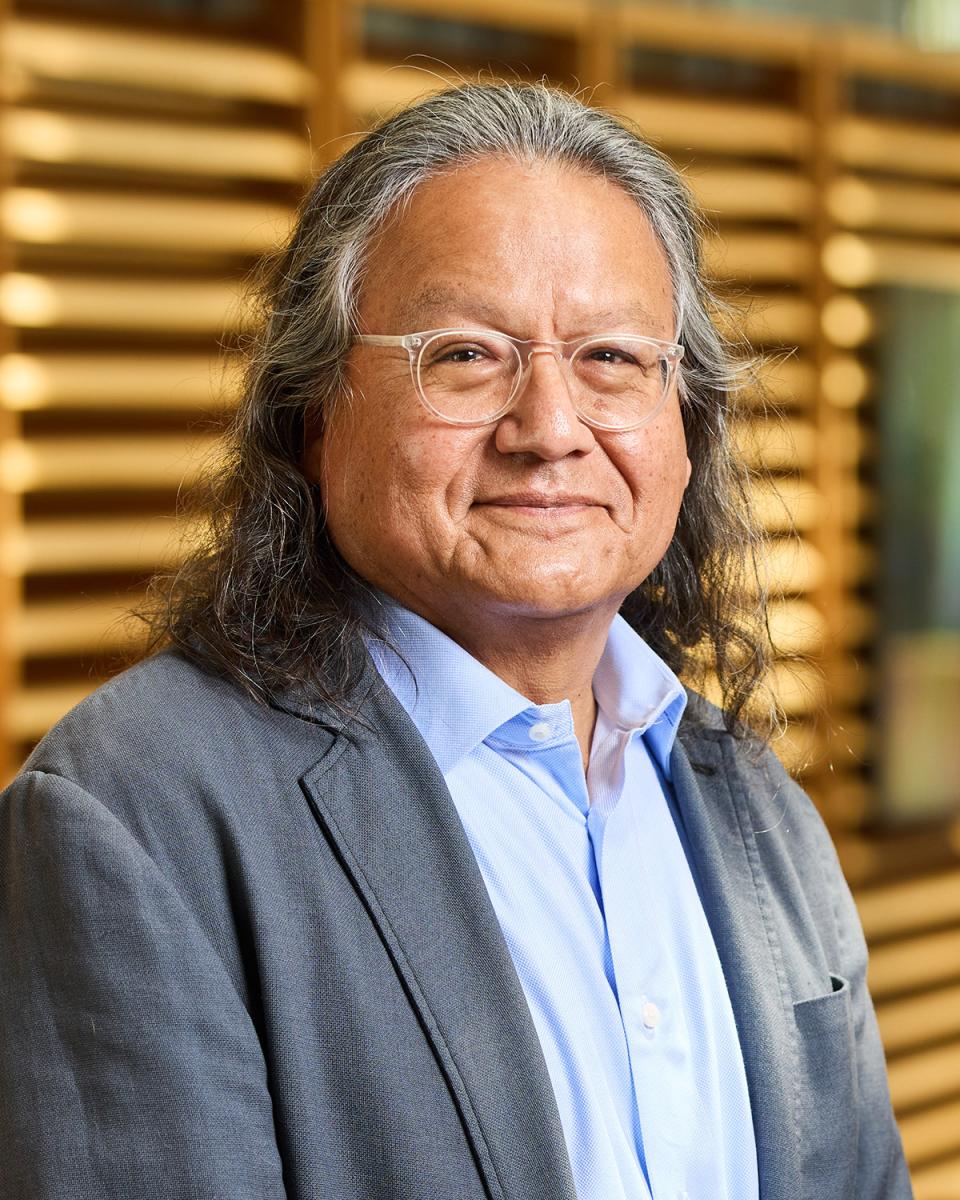 Gerald Torres is the Faculty Director of the Yale Center for Environmental Justice and the Dolores Huerta & Wilma Mankiller Professor of Environmental Justice at the Yale School of the Environment, with a secondary appointment as Professor of Law at the Law School. A pioneer in the field of environmental law, Torres has spent his career examining the intrinsic connections between the environment, agricultural and food systems, and social justice. His research into how race and ethnicity impact environmental policy has been influential in the emergence and evolution of the field of environmental justice. His work also includes the study of conflicts over resource management between Native American tribes, states, and the federal government. Previously, Torres taught at Cornell Law School, the University of Texas Law School, and the University of Minnesota Law School, serving as an associate dean at both. He is also a former president of the Association of American Law Schools and served as deputy assistant attorney general for the Environment and Natural Resources Division of the U.S. Department of Justice during the Clinton administration. Torres’s past work has examined how U.S. regulations have created racially or ethnically marginalized communities that bear a disproportionate share of environmental burdens and also has focused on developing strategies to improve governmental decision-making. He is also a leading scholar in critical race theory — a theoretical framework that examines questions of race and racism from a legal standpoint. His book The Miner’s Canary: Enlisting Race, Resisting Power, Transforming Democracy, coauthored with Lani Guinier, was described as “one of the most provocative and challenging books on race produced in years.”
Learn more: Gerald Torres Faculty Page
Yale Law School
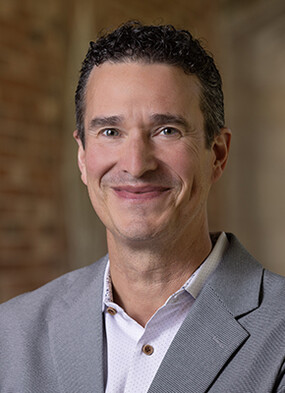 Douglas Kysar is the Joseph M. Field ’55 Professor of Law at Yale Law School and faculty director of the Law, Environment and Animals Program. His teaching and research areas include torts, animal law, environmental law, climate change, products liability, and risk regulation. Kysar was previously on the faculty at Cornell Law School. He received his B.A. summa cum laude from Indiana University in 1995 and his J.D. magna cum laude from Harvard Law School in 1998. Following law school, he clerked for the Honorable William G. Young of the United States District Court for the District of Massachusetts.
Learn more: Douglas Kysar Faculty Page